

Sierra Leone School Green Clubs (SLSGC)
Creating a New Future That Works for All
About Us
Sierra Leone School Green Clubs is a dynamic, community-based organization responding to the needs in education, environmental protection, climate change awareness, and sustainable agriculture. Established in 2015, SLSGC operates in a country already facing various socio-economic challenges coupled with increasing vulnerabilities due to climate change. The organization empowers young people and the general communities with the ability to build resilience and eventually implement sustainable environmental practices.
Through the years, the organization has built trust with schools, communities, NGOs, and international partners through its leading role in climate change sensitization and promoting responsible use of natural resources.
2025 Highlights & Achievements :
1️⃣ Plastic Pollution Policy Popularisation
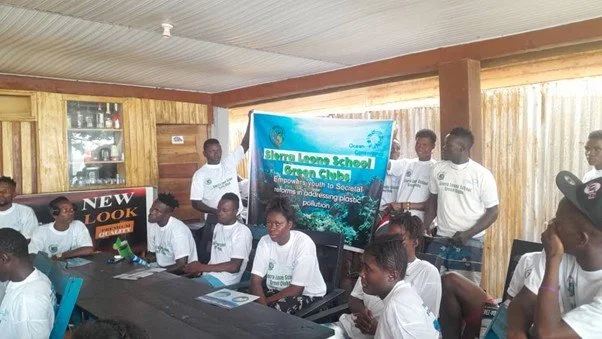
With support from Ocean Conservancy, SLSGC engaged five rural coastal communities to raise awareness of the Sierra Leone Plastic Pollution Policy. Stakeholders involved included youth leaders, fisherfolk, and community authorities in understanding the implementation of the policy.
2️⃣ Beach Cleanups Across Five Communities
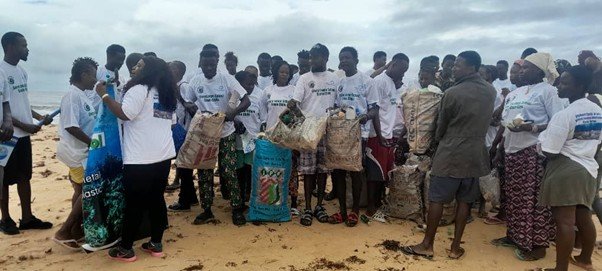
Community-driven clean-ups resulted in major environmental dividends:
5 coastal communities mobilized
Over 5,000 kg of marine debris removed
Waste included plastics, bottles, fishing gear, and other harmful marine litter.
These actions restored coastal environments and empowered community ownership over local environmental protection.
3️⃣ Environmental Education for Schools & Youths
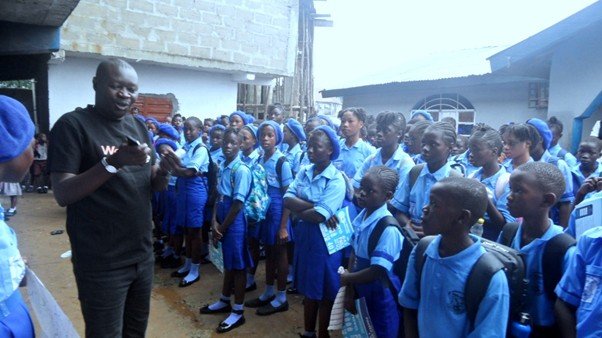
SLSGC delivered environmental education programs across the Western Rural District:
5 schools reached
1,000 students engaged
500 Youths Trained
The topics covered included waste management, plastic pollution, tree planting, and climate resilience. Young people were inspired to become environmental ambassadors in their communities.
4️⃣ Cultural Exchange with U.S. Schools
Through the United Planet Cross-Cultural School Exchange Program, students from five Sierra Leonean schools engaged in exchanges on culture and environment with partner schools in the United States.
They shared stories about the environment, climate action projects, and cultural experiences to extend global understanding and strengthened international collaboration.
5️⃣ Waste Data Collection for Ocean Conservancy
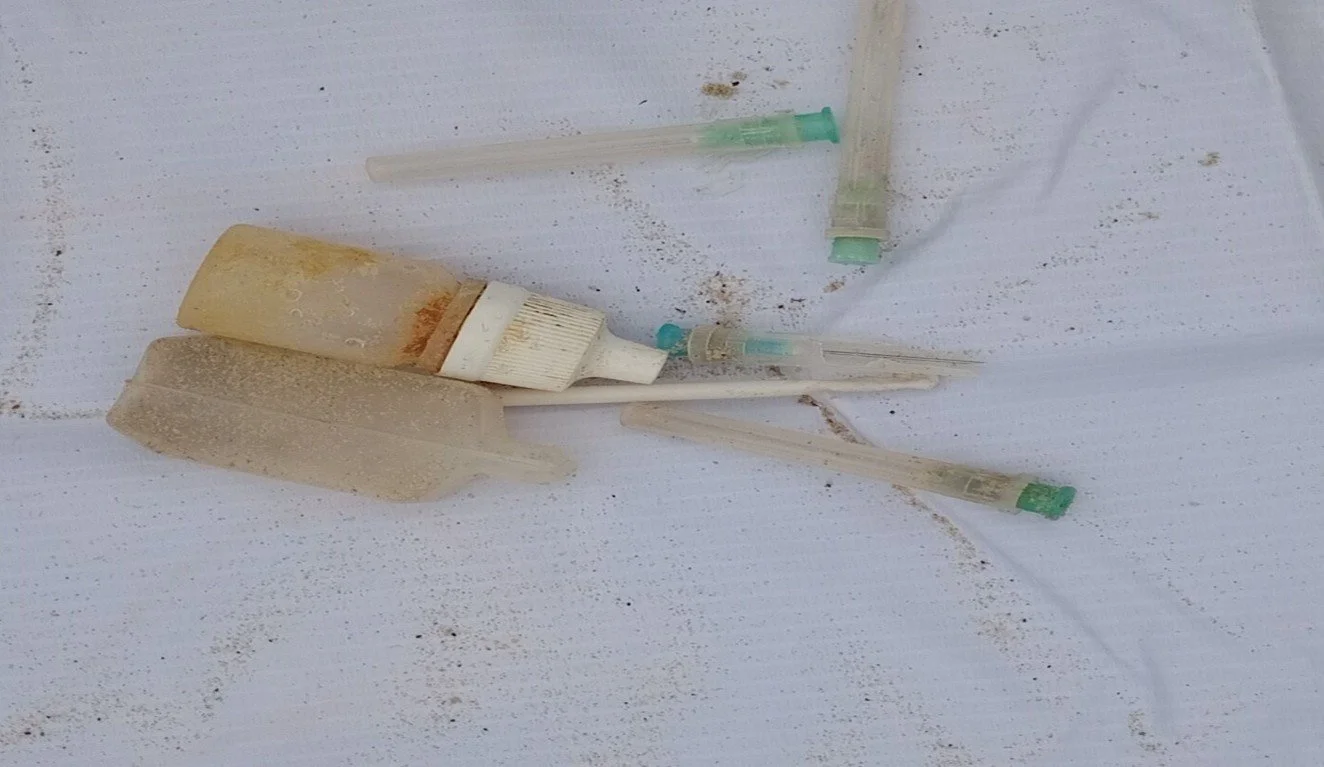
SLSGC carried out detailed waste monitoring:
Two beaches in Western Urban District
Two beaches in Western Rural District
Collected data inform national coastal waste analyses, global marine debris databases, evidence-based policymaking, and future cleanup strategies.
Our Collective Impact
2025 was a year of growth, partnerships, and grassroots environmental action.
SLSGC enhanced environmental awareness and climate resilience across Sierra Leone through education, cleanups, community mobilization, and global exchange programs.
We continue to be committed to developing the next generation of environmental leaders and fostering environmentally responsible practices in schools and communities.
Key Challenges Faced in 2025
1. Limited Funding
Insufficient financial support affected program expansion, frequency of cleanups, and school outreach activities.
2. Poor Waste Management Infrastructure
The biggest issue is that many communities lack systems of waste collection, bins, recycling centers, and appropriate management of landfills, making any sustained cleanup effort difficult.
3. Low Awareness of Plastic Pollution Policy
Some members of the community did not understand the policy at a national level; therefore, sensitization was necessary for eventual long-term change in behaviour.
4. Limited Educational Materials
Schools were without posters, guides, and other tools for effective environmental education.
5. Limited Volunteer Capacity
Some of the constraints faced by volunteers were lack of transport allowance, school or work commitments, and limited training in waste monitoring and data collection.
6. Unreliable Internet Connectivity
Poor internet access further affected communication with project partners, participation in virtual exchange, and sharing updates online.
7. Inadequate means for collection of data
Lack of GPS devices, weighing scales, cameras, and tablets limited accuracy and real-time documentation during cleanups.
8. Weather-Related Disruptions
Heavy rains paralysed outreach programs, school activities, and coastal engagements.
9. Sustainability of Community Engagement
Some of these communities relapsed into poor waste management practices because of poverty, lack of alternatives, and weak law enforcement.
Gratitude
SLSGC would like to thank: Ocean Conservancy, United Planet, partner schools, youth leaders, volunteers, and all coastal communities. Your support made 2025 a year of meaningful environmental action and collaboration. Together, we create a new future that works for all.